
Moving to or from the Isle of Wight by Ferry
At Lee Atkins Removals, planning a move between the Isle of Wight and the mainland means allowing for more than mileage. Loading times, ferry check-in, available vehicle space and access to your new home all need to fit together. A crossing may be relatively short, but missing a sailing can affect the rest of the day.
Whether you are bringing a household onto the island or leaving for a new home elsewhere in the UK, this guide explains the decisions that make a practical difference, including choosing a route, budgeting for crossings and preparing for disruption.
Wightlink or Red Funnel: which route suits your move?
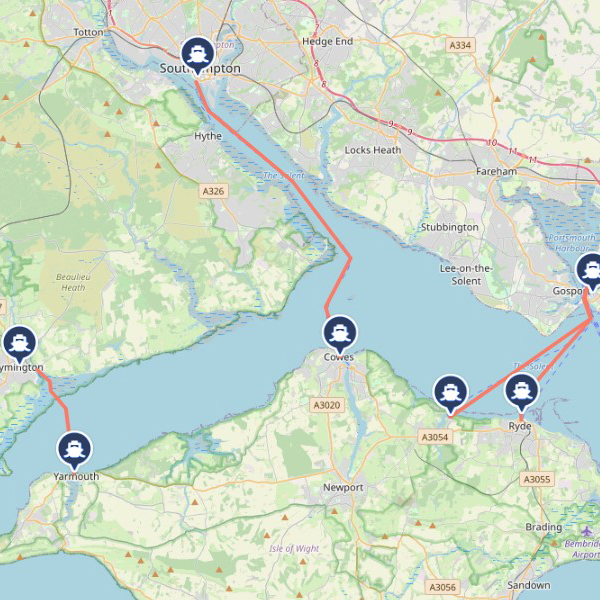
The two main vehicle ferry operators connecting the Isle of Wight with the mainland are Wightlink and Red Funnel.
| Operator | Vehicle ferry route | Approximate crossing time |
|---|---|---|
| Wightlink | Portsmouth to Fishbourne | 45 minutes |
| Wightlink | Lymington to Yarmouth | 40 minutes |
| Red Funnel | Southampton to East Cowes | 55–60 minutes |
These are sailing times only. Your schedule also needs to include travel to the terminal, check-in, boarding, disembarking and the drive to your property.
Choosing the shortest crossing does not necessarily produce the quickest move. For example, Lymington to Yarmouth may suit a journey involving West Wight, while Portsmouth or Southampton may offer a better overall route for a different mainland starting point. The vehicle’s dimensions and available space on your preferred sailing also matter.
Take care to select the vehicle service when booking a car or hired van. Wightlink’s FastCat and Red Funnel’s Red Jet are passenger-only services, so they cannot carry your removal vehicle.
Official route information: Wightlink and Red Funnel.
What should you budget for the ferry?
Ferry fares vary with the date, departure time, vehicle size, availability and ticket conditions. A low advertised fare may depend on booking a return journey or travelling at particular times, so it should not be treated as the price of a one-way house move.
The following published examples provide some context. Prices were checked in September 2026 and are guides, not quotations.
| Vehicle or booking type | Published guide price | What to bear in mind |
|---|---|---|
| Car with Wightlink | Around £40–£50 per leg for its illustrative day-trip itinerary; £60–£80 for a weekend itinerary; £80–£110 for a week-long itinerary | These examples relate to different return-trip patterns, not guaranteed standalone single fares. |
| Car with Red Funnel | Advertised Saver fares from £32.25 each way | This is a starting price, subject to availability and booking conditions. |
| Eligible standard-size car or small van with Wightlink Multilink | £42 per crossing when buying 10 singles for £420 | Available to qualifying Isle of Wight residents and homeowners. This is a prepaid pass, not a £42 one-off van ticket. |
| Larger hired van, Luton van or professional removal lorry | Obtain a quote using the actual vehicle details | Small-car prices and small-van pass rates are not a reliable guide for larger removal vehicles. |
Check Wightlink’s vehicle fares, its Multilink conditions and Red Funnel’s current fares before booking. Include any applicable levies and supplements when comparing the final totals.
For a hired van, obtain the ferry price before committing to the hire. Give the operator its length, height, vehicle type and intended use, and ask which booking category applies.
When comparing a DIY move with a professional quotation, count every crossing required. Returning a hired van to the mainland can add another ferry journey, fuel and potentially another day’s hire. A cheaper hire rate can therefore produce a more expensive move overall.
Ask your removals company whether its quotation includes ferry charges and what would happen to the price if the moving date changed.
Confirm the load and property access first
A pre-move survey helps establish how much needs transporting and which vehicle can do the job. Include the loft, shed, garage, garden furniture and any bulky equipment, as these are easily missed when describing the contents of a house.
An accurate inventory helps avoid discovering on moving day that an additional vehicle or journey is needed. Decluttering may reduce the space required, although removing a few boxes will not necessarily change the ferry fare if the same vehicle is still needed.
Share access details for both addresses, particularly:
Narrow lanes, tight bends or low entrances.
Steps, steep paths and long carries from the road.
Parking restrictions or limited loading space.
Flats with restricted lift access or booked moving slots.
Furniture that needs dismantling before it can leave the property.
A ferry booking for a large lorry is of limited use if that lorry cannot reach the collection address. Where access is difficult, discuss any smaller-vehicle arrangements before the schedule is agreed.
Choose a date with some breathing room
Summer weekends, school holidays and major island events can put pressure on vehicle space. Comparing midweek or quieter sailings may give you more choice, but the cheapest crossing still needs to work with loading and delivery.
For instance, an early sailing may be practical if the vehicle is loaded the previous day. It may be unrealistic if the team must first pack and clear a substantial property that morning.
Tell us whether your date is confirmed or still dependent on a property transaction. Before paying for travel, check the amendment and cancellation conditions. A flexible ticket can be useful, but changes remain subject to availability and may involve a fare difference.
Build the day around check-in and key collection
Work backwards from the ferry’s check-in requirement, rather than its departure time.
Wightlink currently asks vehicle customers to arrive between 30 minutes and one hour before their scheduled sailing. Follow the instructions on your own booking, including any specific arrangements for commercial vehicles, and check Red Funnel’s requirements separately.
As an illustration, a 12 noon Wightlink sailing normally means checking in between 11 am and 11.30 am. Loading must finish early enough to allow for the drive, traffic and a reasonable margin. Finishing at 11.30 am would already be too late unless you were at the terminal.
Agree who will collect the new keys and how the removals team will gain entry if you travel separately. Your car and the removal vehicle may be on different sailings, so do not assume you will arrive together.
For longer mainland journeys, ask whether collection and delivery should take place on different days. The time needed to unload and the driver’s working schedule also have to fit the plan.
Check Wightlink’s travel updates and check-in guidance before departure.
Can bad weather delay or cancel the ferry?
Yes. Just as heavy traffic can hold up a mainland move, ferry disruption can affect an island move. In particularly bad weather, sailings may be delayed or cancelled altogether.
Operators assess conditions such as wind strength, sea state, visibility and tides when deciding whether a sailing can run safely. Conditions can affect routes and vessels differently, so a disruption notice for a passenger service does not automatically describe the situation on the vehicle ferries.
Allowing extra time helps with ordinary delays, but it cannot overcome a suspended service. No removals company can guarantee that a ferry will sail.
Before moving day, agree how updates will be communicated and what options could be considered if the booked crossing is cancelled. These might include a later sailing, a different route where suitable space is available, or revised delivery arrangements.
Avoid assuming that the next ferry will have room for a large vehicle. Equally, do not drive to another terminal without a confirmed arrangement.
Keep the ferry operator’s service updates available on your phone. Unless instructed otherwise, follow the original check-in guidance even if a delay is shown, as schedules can change again.
Prepare for a late arrival or an overnight delay
Consider what you would need if your belongings arrived later than you did, or if you had to spend an additional night away from the new property.
Carry medication, documents, chargers, toiletries, spare clothes and children’s essentials with you. Add pet food and supplies where needed, rather than leaving everything on the removal vehicle.
Before setting off, establish:
Whether keys can be collected outside normal opening hours.
Who can receive the delivery if you are delayed.
Whether the property will have working lighting, heating and water.
Where your household could stay if an overnight stop became necessary.
How any additional waiting, storage or redelivery costs would be agreed.
These arrangements are particularly useful when you must leave your old property by a fixed time. Discuss the implications with the people handling your move before the day itself.
Pack for secure transport and easy access
For a normal move in a closed removal vehicle, your belongings generally stay inside that vehicle during the crossing. The ferry journey does not itself require boxes and furniture to be unloaded at each port.
Good packing should protect items against movement, vibration and handling throughout the journey. Use sturdy boxes, cushion fragile contents, protect furniture surfaces and keep individual boxes manageable to lift. Dry appliances thoroughly before transport, and avoid wrapping damp furniture.
Label boxes by destination room and identify anything needed first, such as bedding, basic kitchen equipment and tools for reassembling beds. Our packing service can help prepare belongings for the complete journey.
Flag unusual items before loading. Gas cylinders, fuel containers, certain chemicals and battery-powered equipment can be subject to ferry restrictions. Moving an item into your own car does not remove those restrictions.
Wightlink, for example, prohibits e-scooters on its services. Check the chosen operator’s rules before including one in your move.
Travelling with a hired van, children or pets
Confirm with the hire company that your van can be taken on the ferry and check its return deadline. Obtain accurate dimensions, including any equipment that changes the overall height or length. If the hire company substitutes another vehicle, review the ferry booking before travelling.
Pack a small passenger bag before boarding so that snacks, medication and other essentials are accessible without opening the loaded van.
Families should check pet arrangements and request any accessibility assistance in advance. Policies differ between operators and services, so avoid assuming that an animal can stay in the vehicle or enter every passenger area.
Allow enough time after arrival to reach the property and settle children or pets somewhere safe before unloading begins.
When storage or a separate delivery makes sense
Short-term storage can help when you must vacate one property before the next is ready, or when renovations make an immediate full delivery impractical.
Discuss which belongings you will need during the gap before they are packed. Retrieving one box from a stored household load may require an additional appointment or handling.
If you are transporting only a few items, ask about our Drop and Deliver service. It may suit furniture purchases, belongings left behind after a move or items for a second home. Confirm collection, depot and delivery arrangements before ordering anything from a seller.
Planning your move with Lee Atkins Removals
Our Isle of Wight removals team can bring the survey, packing, vehicle requirements, ferry arrangements and delivery plan together.
When requesting a quotation, provide both postcodes, your likely moving date, details of property access and an outline of what needs moving. Mention any fixed handover times, separate car travel or need for storage so these can be considered from the outset.
Moves involving Jersey, Guernsey or other islands need separate advice. The Solent routes, fares and timings in this guide should not be used to plan those journeys.
Call 01983 568 758 to discuss your move, the available options and a schedule that allows for the realities of ferry travel.